
Success Stories
Olipop Advertising: Inside the Playbook Behind a Breakout Soda Brand

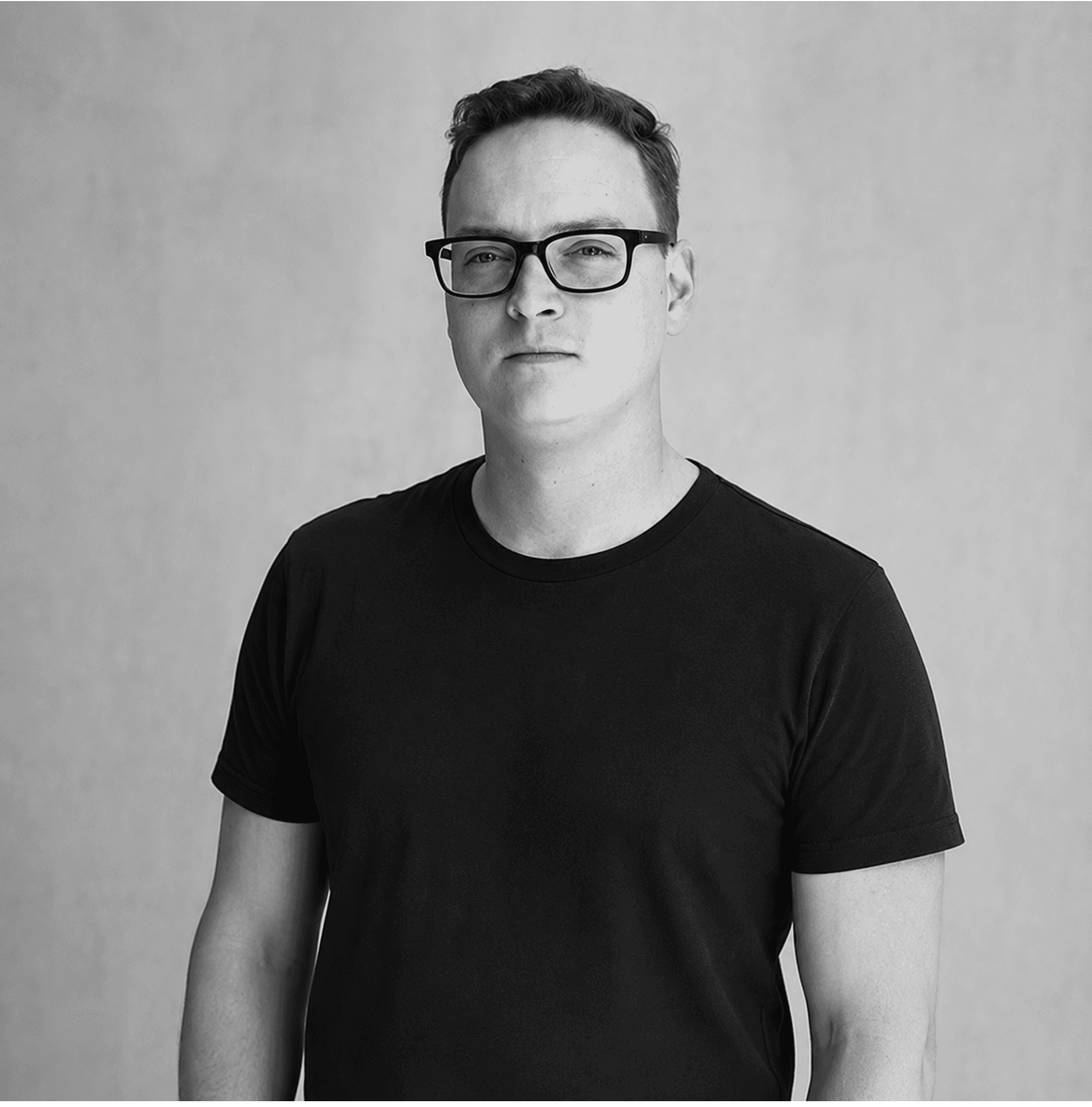


Written by Darkroom leardership

Every few years a brand shows up in your feed so much that you eventually find it in your fridge.
Olipop is one of those brands.
It started as a niche “sparkling tonic” tucked into the wellness aisle. Now it is a full blown soda brand sitting next to Coke and Pepsi, doing serious nine-figure revenue and carrying a unicorn valuation. That jump did not come from outspending legacy soda. It came from a very modern, very specific approach to advertising.
This piece is about that approach, and what you can actually copy.
How Olipop Reframed Soda
Olipop’s core promise is simple: soda taste, less sugar, more fiber, prebiotics your gut will not hate you for. Early on, the brand leaned into the “tonic” story, positioned close to kombucha. That appealed to health nerds, but it also made the product feel niche and a little medicinal.
The big unlock was reframing as “a new kind of soda.”
That one line quietly widened the audience. People already know what soda is. They have emotional history with root beer floats, diner colas, orange creamsicles. Olipop tapped into that nostalgia, then swapped in better ingredients.
The advertising follows that move. Flavors like Vintage Cola and Classic Root Beer feel familiar. The design is bright, retro, and friendly instead of clinical. The tone is “you get to enjoy soda again” rather than “you should feel guilty about what you drink.”
That foundation matters, because everything else in Olipop’s advertising hangs off this emotional promise: you are not giving something up, you are getting something back.
Entertain First, Advertise Second
If there is one principle that explains Olipop’s marketing, it is this: people would rather choose to watch you than have you shoved between what they actually care about.
In 2021, Olipop made a deliberate shift. Instead of leaning on traditional paid social like a classic DTC brand, they poured energy into creators and TikTok. The goal was not to squeeze out more last-click ROAS. It was to become part of the culture people were already scrolling through.
On TikTok, that meant moving away from polished, “ad-scented” videos and toward content that felt like it belonged there. Olipop showed up in chaotic taste tests, day-in-the-life vlogs, comedy bits, and running jokes. The can was often a co-star or a prop rather than the only point.
The interesting part is what happened next: views turned into branded search and store locator traffic more than online conversions. TikTok was not a checkout page. It was an intent engine. People saw Olipop in content, searched the brand, hit the store locator, and grabbed a few cans at Target or Whole Foods later that week.
For a retail-first CPG brand, that is exactly what you want. The advertising did its job by making the product show up in someone’s head the next time they were in front of a cooler.
The Creator Engine Behind The Brand
Olipop did not treat “influencer marketing” as a one-off tactic. They built an engine.
They hired an in-house creator to own TikTok and be a consistent on-camera presence. That person was not just a spokesperson, but a hybrid of creative director, social strategist, and performer. It gave Olipop a recognizable voice and face that could move fast with the platform.
On top of that, they seeded a lot of product to small and mid-sized creators. The rule of thumb was: send cans, see who genuinely loves it, then go deeper with the people who light up. Those are the ones you support with ongoing briefs, early access to flavors, and performance-based deals.
Over time, that turned into a proper revenue channel. Creators who consistently moved product earned commission, not just a flat fee for a single post. The brand ended up with a distributed sales force that also happened to be its top-of-funnel marketing.
It is worth calling out that none of this feels glamorous on the inside. It looks like spreadsheets of creators, a mountain of samples, lots of DMs, and endless testing. But from the outside, it reads as “everywhere at once.”
Retail First Media And Where Darkroom Fits In
All of this would be a cute TikTok story if Olipop were mostly DTC. It is not. The bulk of sales happen in retail: grocery, mass, and convenience.
That retail reality shaped the media plan.
Instead of jumping straight into a splashy national TV buy, Olipop spent its early years proving a few things:
The product could move in stores once people discovered it
The brand could build real equity and recall with younger, health-conscious shoppers
Creator-led awareness was actually showing up in retail performance
Once those signals were strong, national media stopped being a vanity play and started being a multiplier.
That is the moment Darkroom stepped into.
After a major funding round, Olipop partnered with Darkroom to build its first fully integrated national creative campaign. The brief sounded simple and was anything but: keep the weird, internet-native soul of the brand, update the story for a broader mainstream audience, and build video that could live on connected TV, YouTube pre-roll, and paid social without looking like old-school soda advertising.
We approached it like we would a creator-first campaign, just at a different scale. Scripts were written to feel like scenes you might actually watch. Characters had quirks. The product solved specific, familiar tensions instead of floating in a perfect kitchen on a white marble counter.
The rollout covered CTV, YouTube, and Meta. The outcome: those spots became some of Olipop’s top-performing ads across channels. They backed into roughly 3x year-over-year revenue growth and a big jump in reach. More importantly, they clicked with an audience that already knew the brand from social, and with people who had never heard of it but were open to a “new kind of soda.”
The key point: big media came after the brand had a strong organic and creator base, not instead of it.
More Than Ads: Olipop In Culture
If you only looked at Olipop’s media plan, you would still miss half the story.
The brand is very good at finding excuses to show up in culture that are not “we bought another ad slot.” That might be a limited flavor drop tied to a specific city, a pop-up drive-thru that doubles as a content shoot, or contests that turn superfans into semi-official ambassadors.
You see the same pattern in their moves into sports and long-form creator content on YouTube. Olipop is not just buying pre-roll. It is getting cans into the hands of hosts, guests, and audiences in contexts that feel like entertainment first.
The thread through all of this is simple: they design moments people want to talk about, then let media amplify those moments instead of trying to brute-force attention from scratch.
What You Can Actually Copy
You cannot clone Olipop. Different category, different founders, different timing. But there are a few parts of their advertising approach that translate cleanly.
First, decide where your real conversion lives. Olipop knows that the real “add to cart” happens in-store. TikTok, creators, and even CTV are there to move hearts and minds so that the shelf does the final work. Your answer might be retail, Amazon, DTC, or a mix. Until you are clear on that, every media decision is guesswork.
Second, put a human engine inside your brand. That does not always mean a single star creator, but it does mean someone on your team who is accountable for showing up in culture, not just posting branded graphics. The reason Olipop feels consistent across TikTok, OOH, and CTV is because there is a clear sense of personality running through all of it.
Third, treat seeding and micro-creators like structured experimentation, not charity. Sending product is not the strategy. Watching who lights up, which angles resonate, and whose audience actually moves the needle is the strategy. The budget you would have dumped into a few giant influencer deals is often better spent spreading bets and scaling with the ones who prove they can sell.
Fourth, add heavyweight media when the story is ready, not because you feel behind. National campaigns make sense once you have proof points, strong creative signals, and a clear sense of the audience you are talking to. That was the moment Olipop engaged us for CTV and YouTube, and it is a big reason the work landed the way it did.
Finally, measure like a grown-up brand. If you are retail first, the real test is not “what did Meta say my ROAS was” but “what happened to velocity, share, and household penetration in the markets we focused on.” That is where you see whether your creator budget and your big swings are actually worth it.
Quick Answers People Ask About Olipop Advertising
A few questions come up over and over, so let us hit them quickly.
Who handles Olipop’s advertising?
There is an internal team that owns growth, partnerships, and creator relationships. They work directly with creators and platforms and bring in specialized partners when the stakes get bigger. Darkroom was the creative partner behind Olipop’s first national media campaign across connected TV, YouTube, and paid social.
Is it all influencer marketing, or do they still run ads?
Influencers and creators are the backbone, especially on TikTok, but they are not the whole story. Olipop runs paid placements where it makes sense: social, CTV, YouTube, out of home in key markets, and retail media when it helps support distribution. The difference is that those ads feel like they belong in the same universe as the creator content, instead of fighting against it.
What can a smaller brand realistically take from this?
You can take the order of operations. Get the product and positioning right. Invest in a creator engine that actually likes making things for the platforms you care about. Use seeding and micro-creators as discovery, not just decoration. Then, when you see real signal, bring heavier creative and media to the table.
Want An Olipop-Level Creative System For Your Brand?
Olipop is not a one-off miracle. It is a case study in what happens when you line up product, story, creators, and media in the right order.
If you are a CPG or consumer brand and you can feel that your creative is not doing your product justice, that is the conversation we like to have.
At Darkroom, we sit at the same intersection Olipop needed help with:
Translating a messy, creator-led brand into a repeatable performance creative system
Building campaigns that work natively on TikTok, YouTube, and CTV without losing the brand’s soul
Tying all of that back to real-world results, not vanity metrics
If you want to pressure test your current creative, talk through what a creator-first funnel could look like for your category, or explore what a national campaign might do on top of what is already working, book a call with Darkroom.
We can take the same operator mindset we brought to Olipop and apply it to your brand’s next chapter.
Frequently Asked Questions
How did Olipop reposition itself to reach a wider audience?
Olipop started as a niche "sparkling tonic" positioned close to kombucha, which felt medicinal and limited its reach. Reframing the product as "a new kind of soda" tapped into existing nostalgia for root beer floats and classic colas, widening the audience while swapping in better ingredients.
Why did Olipop lean into TikTok and creators instead of traditional paid social?
In 2021 Olipop shifted energy toward creators and TikTok to become part of the culture people were already scrolling, rather than chasing last-click ROAS. The content felt native, the can often a co-star, and views turned into branded search and store locator traffic, making TikTok an intent engine for a retail-first brand.
How did Olipop build its creator program?
Olipop hired an in-house creator to own TikTok as a consistent on-camera presence, then seeded product widely to small and mid-sized creators, going deeper with the ones who genuinely loved it. Creators who consistently moved product earned commission rather than flat fees, turning the program into a distributed sales force.
When did Olipop bring in big national media, and where did Darkroom fit in?
National media became a multiplier only after Olipop had proven its product moved in stores, built real equity with younger shoppers, and seen creator-led awareness show up in retail performance. After a major funding round, Olipop partnered with Darkroom to build its first fully integrated national creative campaign across connected TV, YouTube, and paid social.
What results did the Darkroom national campaign drive?
The spots became some of Olipop's top-performing ads across channels, backing into roughly 3x year-over-year revenue growth and a big jump in reach. They resonated both with audiences who already knew the brand from social and with people new to the "new kind of soda."
What can a smaller brand realistically copy from Olipop's approach?
The transferable lessons are the order of operations: decide where your real conversion lives, put a human engine inside your brand, treat seeding and micro-creators as structured experimentation rather than charity, add heavyweight media only when the story is ready, and measure with retail signals like velocity, share, and household penetration rather than just platform ROAS.